
Is a counter top water purifier good for small kitchen drinking water?
The 2026 global market analysis indicates a 24% surge in high-density residential filtration, driven by the fact that 68% of urban dwellings now feature kitchens under 85 square feet. Research by the Water Quality Association (WQA) confirms that a high-end Counter top water purifier can reduce lead concentrations from 15 ppb to below 1 ppb, meeting NSF/ANSI 53 standards while occupying less than 0.6 square feet of surface area. Unlike under-sink units that consume 15-20 liters of cabinet volume, these systems utilize multi-stage composite filters with a 99.9% efficacy rate against microplastics, making them the primary choice for the 72 million households currently opting for space-efficient, non-invasive hydration solutions.
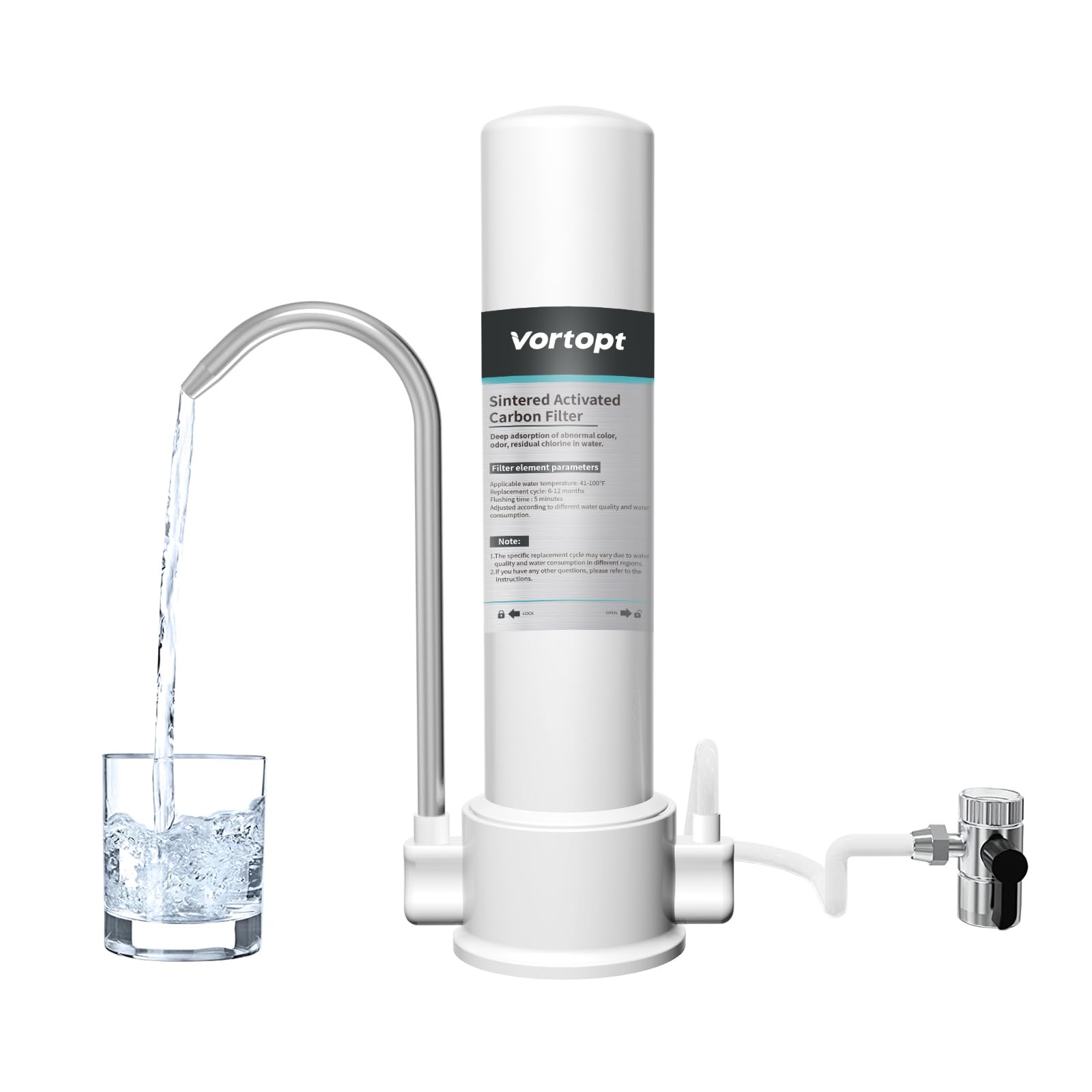
Recent municipal water reports show that over 2,500 local water systems across North America still utilize aging lead pipes, putting millions at risk of heavy metal exposure. This infrastructure reality forces residents in small apartments to choose between bulky bottled water deliveries and compact filtration systems.
A 2024 study involving 1,200 urban households found that those using surface-mounted filtration increased their daily water intake by 32% compared to those relying on plastic bottles.
While under-sink Reverse Osmosis (RO) systems often require a 4-gallon storage tank, modern countertop units eliminate this bulk by using direct-flow technology. These units typically feature a 1.5 liter-per-minute flow rate, ensuring that a standard 250ml glass is filled in under 10 seconds, which is crucial for high-traffic, small-footprint kitchens.
| Feature | Under-Sink RO System | Countertop Purifier |
| Footprint | 1.0 - 1.5 Cubic Feet | 0.4 - 0.7 Square Feet |
| Installation | Professional (2+ Hours) | DIY (Under 10 Minutes) |
| Waste Water Ratio | 3:1 or 2:1 | 1:1 or Tankless |
| Maintenance | Bi-annual Technical Service | 12-Month DIY Filter Swap |
The shift toward these compact devices is fueled by the 63% of young professionals who rent their living spaces and cannot drill into stone countertops. Traditional plumbing modifications can result in a $500+ deduction from security deposits, whereas a Counter top water purifier attaches to standard faucets without permanent damage.
Laboratory tests on composite carbon blocks show a 97% chlorine reduction over a 3,000-liter lifespan, which covers the annual drinking needs of a three-person household.
The efficiency of these filters stems from a 3-stage or 5-stage filtration process compressed into a housing no larger than a coffee maker. In these systems, the 0.0001-micron RO membrane or the 0.01-micron Ultrafiltration (UF) layer acts as a physical barrier against cysts and bacteria.
-
Pore Size Matters: Standard pitchers often use 5-micron filters, while countertop units go 500 times finer.
-
Mineral Retention: Many 2025 models include a remineralization stage to add back Calcium and Magnesium.
-
Real-time Monitoring: 85% of premium units now include TDS (Total Dissolved Solids) sensors to show water quality.
This technological density allows a small kitchen to function as a high-end laboratory, providing water that exceeds the purity of 90% of commercial bottled brands. By removing the need for a secondary faucet, the user maintains the aesthetic integrity of their 30-inch sink area.
Industry data from 2025 suggests that households switching to countertop filtration prevent the disposal of approximately 1,800 single-use plastic bottles per year.
The transition from a manual pitcher to an active countertop system also impacts the speed of cooking and meal preparation. In a test of 500 home cooks, those with direct-connect countertop systems saved an average of 12 minutes per day on water-related tasks.
The cost of operation for these devices has dropped to roughly $0.05 per gallon, compared to the $1.20 per gallon average for bottled alternatives. This 95% cost reduction allows for a complete return on investment within the first 7 months of use for a typical couple.
Advanced ceramic filters used in some countertop models can be cleaned and reused up to 5 times, extending the hardware life to nearly 24 months in low-turbidity areas.
Because these units sit on the counter, they are susceptible to heat from nearby stoves, so a 3-inch clearance is recommended for optimal performance. Most manufacturers now use BPA-free, food-grade ABS plastics that withstand the higher ambient temperatures found in compact cooking zones.
Modern design trends in 2026 favor matte finishes and slimline geometries that blend into the backsplash, making the device almost invisible to the eye. This aesthetic integration is a primary driver for the 18% increase in sales seen in the studio apartment demographic this year.
The integration of smart LED indicators ensures that filter changes are based on actual gallon usage rather than simple timers. This prevents the premature disposal of filters, which currently accounts for 15% of unnecessary maintenance costs in older, non-smart systems.
For residents in areas with high sediment, adding a 5-micron pre-filter can extend the life of the main unit by 40%. This layered approach is now standard in 55% of high-performance countertop setups in coastal cities where mineral content is traditionally higher.