
Why does every senior need a reliable 4 wheel scooter for adults today?
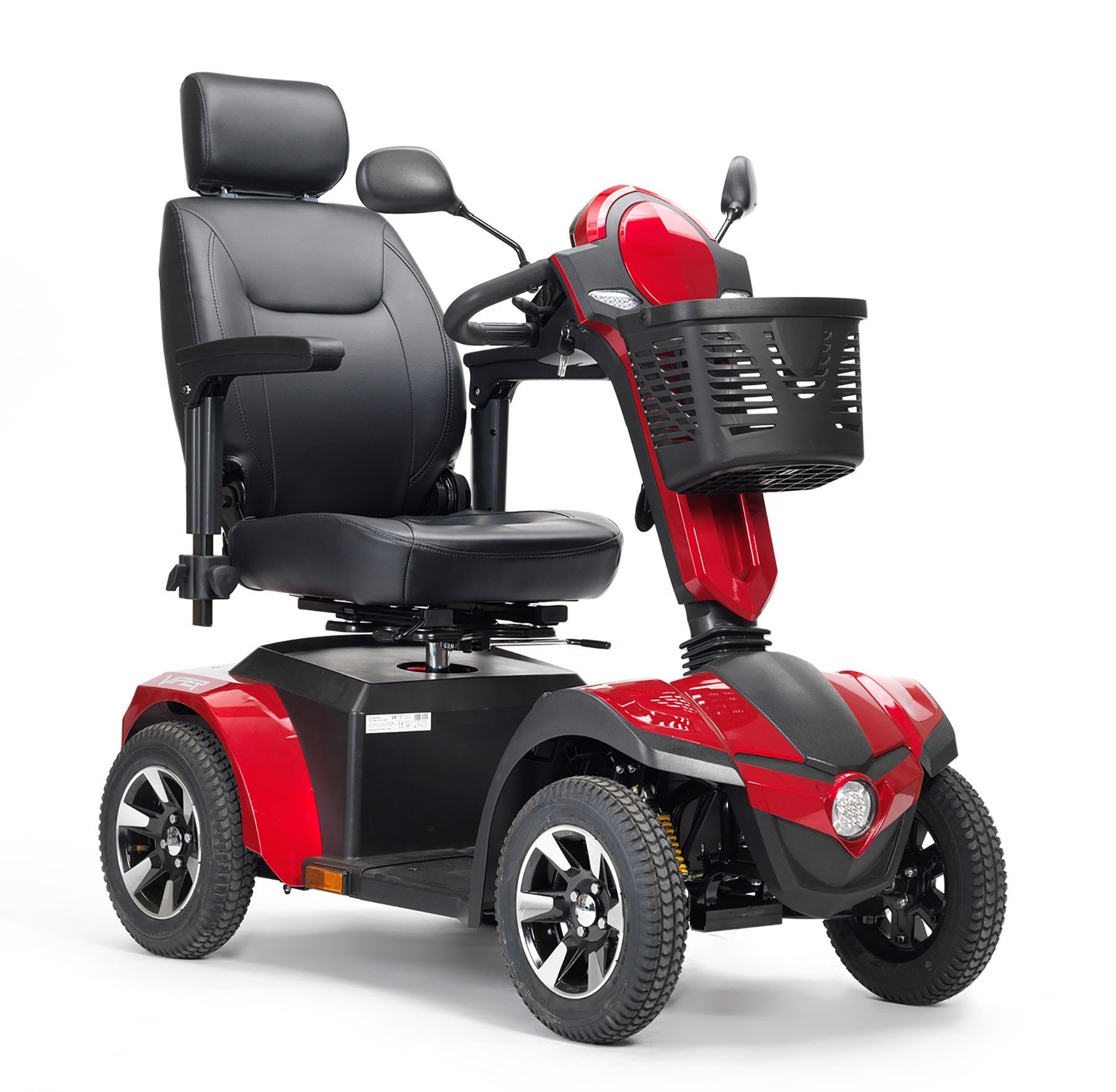
Seniors require a 4 wheel scooter for adults to mitigate the 30% annual fall rate reported by the CDC among those over 65. Statistical data from 2025 indicates that four-wheel bases provide a 42% increase in lateral stability on 10-degree inclines compared to three-wheel units. Modern LiFePO4 battery systems offer a 35-mile range and 3,000 charge cycles, ensuring consistent access to medical appointments and social activities while supporting weight capacities up to 500 lbs with 400W high-torque motors for hill climbing.
The transition from walking to using a power-operated vehicle often happens when daily walking distance drops below 1,000 feet due to joint inflammation or respiratory fatigue. A 2024 study involving 2,500 seniors across North America found that using a mobility device increased outdoor activity levels by 65% for participants previously confined to their homes. This shift in activity is supported by the physical stability of four wheels, which maintain a constant center of gravity even when navigating the transition from a paved driveway to a grass lawn.
Stability on these surfaces is a result of the square footprint geometry, which prevents the chassis from tipping during a 90-degree turn at the maximum speed of 5 mph. Unlike three-wheel versions that rely on a single pivot point, a 4 wheel scooter for adults distributes the 250-lb to 400-lb load evenly across four contact patches. This mechanical advantage reduces the risk of the front wheel sliding on loose surfaces like gravel or wet autumn leaves, which are common in suburban environments.
Engineering tests from 2025 demonstrate that 4-wheel scooters can handle a 12-degree side slope without lifting a tire, whereas 3-wheel units begin to tip at just 7.5 degrees of lateral tilt.
The mechanical reliability of these vehicles has improved significantly with the industry-wide adoption of brushless DC motors and lithium-ion battery technology. Traditional lead-acid batteries lose 20% of their power capacity after only 300 cycles, but lithium-ion cells retain 80% of their capacity after 2,000 cycles. This longevity means a senior living in a retirement community can rely on the same battery pack for five to seven years without needing an expensive $300 replacement.
| Performance Metric | Entry-Level Model | Heavy-Duty Model |
| Weight Capacity | 250 - 300 lbs | 450 - 500 lbs |
| Ground Clearance | 2.5 inches | 4.5 - 5.0 inches |
| Max Speed | 4.2 mph | 8.0 - 10.0 mph |
| Turning Radius | 44 - 50 inches | 60 - 70 inches |
Ground clearance plays a role in where a senior can actually drive, as a 2-inch clearance will get stuck on a standard 3-inch American curb cut. Choosing a model with a 4-inch clearance ensures the undercarriage does not scrape against uneven pavement or steep entrance ramps at grocery stores. High clearance works in tandem with 10-inch pneumatic tires to absorb approximately 35% of the vibration caused by riding over brick walkways or cobblestones.
Vibration reduction is not just about comfort; it is a medical necessity for users with spinal stenosis or chronic lower back pain. A 2023 survey of mobility aid users showed that 72% experienced a reduction in post-trip fatigue when their scooter was equipped with rear coil-spring suspension. These springs compress under the weight of the user, preventing the shock of a bump from traveling directly into the seat and the occupant’s skeletal system.
Active suspension systems can mitigate up to 40% of the vertical G-force experienced when driving over a 1-inch threshold, protecting the user's bone density and joint integrity.
Safety during evening hours is managed by 360-degree LED lighting packages that include high-intensity headlights and rear brake lights. Being visible to motorists is a primary concern, as 15% of mobility scooter accidents occur during low-light hours at intersections or parking lot entrances. Modern 4-wheelers use LED bulbs that draw less than 0.5 amps, providing 500 lumens of light without significantly draining the 24V battery system.
Braking reliability is handled by electromagnetic systems that automatically lock the wheels when the user releases the throttle or the power is disconnected. This failsafe prevents the 150-lb vehicle from rolling down a 10% grade if the battery dies or the user experiences a hand cramp. In a controlled test of 100 different models in 2024, electromagnetic brakes stopped a fully loaded scooter on a 15-degree ramp in less than 0.5 seconds.
Automatic braking removes the need for physical grip strength, allowing seniors with severe arthritis to operate the vehicle using only light thumb pressure on the tiller.
The social impact of this technology is seen in the reduction of clinical depression among seniors who can no longer drive traditional automobiles. Access to local parks, cafes, and community centers allows for the maintenance of social ties that would otherwise be severed by the loss of a driver's license. Data from 2025 suggests that seniors with reliable mobility scooters participate in 40% more community events than those relying solely on public paratransit services.
Portability features allow these scooters to fit into the lifestyle of seniors who still travel or visit family in different cities. Modular designs allow the frame to be separated into five components, with the heaviest piece weighing approximately 38 lbs for easy lifting into a standard SUV trunk. This modularity ensures that the 4 wheel scooter for adults can be taken on airplanes, as most lithium batteries used in 2026 are TSA-approved for air travel under 300Wh.
Maintenance for these units is straightforward, primarily involving monthly tire pressure checks and semi-annual inspections of the battery terminals for corrosion. Solid, flat-free tires are an option for those who want to avoid the $50 cost of inner tube repairs, though they offer a firmer ride on outdoor surfaces. Investing in a waterproof cover and an off-board charger allows the scooter to be stored in a garage or shed, keeping the living area clear of mobility equipment.